Introduction
Clear LDPE flat bags are widely adopted for sorting, storage and export shipment of auto spare parts, metal hardware and construction fittings. Many buyers only focus on bag dimensions while ignoring thickness specification. Unsuitable gauge easily leads to film tearing, dust penetration and product contamination, bringing extra loss during inventory turnover and overseas transit.
This article explains how thickness influences packaging performance, provides practical thickness recommendation based on different metal components, and lists extra factors you should confirm before placing bulk orders. After reading, you can quickly define suitable thickness for your industrial packaging requirements.
Why Thickness Is Critical For Industrial Clear PE Bags
Thickness directly determines tensile strength, puncture resistance and service life of clear PE bags. All clear poly bags are manufactured from virgin LDPE or LLDPE raw material, yet different gauge delivers completely different protection capability.
Risks of Using Undersized Thickness
If the film is too thin to match your goods, multiple problems will appear:
Sharp edges on stamped metal parts may pierce the bag during stacking or transportation.
Thin film tends to elongate and crack when loaded with heavy hardware.
Minor friction during warehouse handling causes breakage, losing dust and moisture protection.
Drawbacks of Excessively Thick Bags
Selecting much thicker film than required also creates unnecessary burdens:
Higher raw material cost increases overall packaging expense without extra value.
Stiffer thick bags occupy more storage space and affect automatic bag opening efficiency.
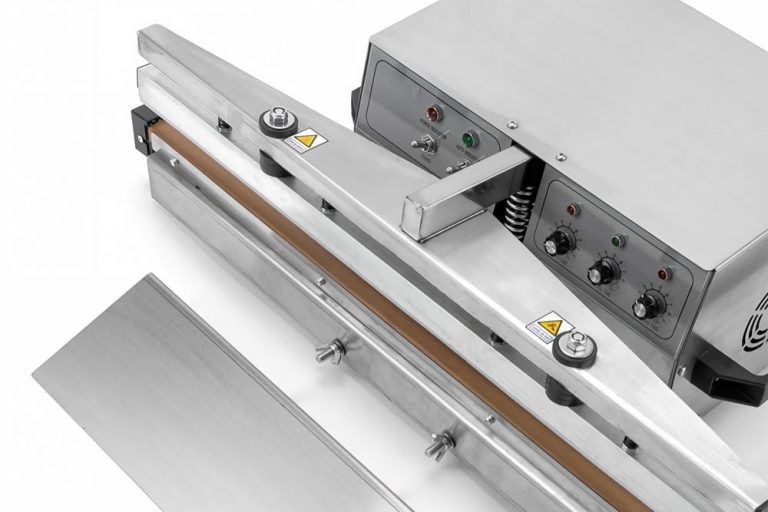
Over-thick material may fail to seal smoothly on semi-automatic heat sealers.
Practical Thickness Reference for Different Industrial Components
Below is field-proven thickness guide for regular hardware and auto component packaging scenarios.
Light Small Accessories (<1kg, smooth surface)
Screws, nuts, plastic trims, smooth non-sharp small fittings.
Recommended thickness: 30μm ~ 50μm
Suitable for indoor short-term storage and simple manual packing without frequent turnover.
Standard Machined Hardware (1–3kg, slight burrs)
Bearings, finished machined parts, non-sharp casting accessories.
Recommended thickness: 50μm ~ 80μm
Balanced toughness and cost, ideal for general warehouse circulation and export shipment. This range is the most popular choice among hardware manufacturers.
Sharp-Edged Stamped & Metal Components
Stamping auto parts, punched metal sheets, fittings with obvious burrs.
Recommended thickness: ≥100μm
Sharp protrusions greatly raise piercing risk. Thickened LLDPE clear bags effectively reduce breakage during pallet loading and sea transport.
Other Key Factors Affecting Thickness Decision
Thickness is not the single standard. You need to evaluate below conditions comprehensively:
- Transportation mode
Goods for long-distance ocean shipment require higher toughness than inland warehouse turnover.
- Packing method
Manual packing has lower impact force; automatic bag feeding equipment demands stable film rigidity.
- Functional upgrade demands
If you plan to add anti-static or VCI anti-rust additive, consult us to adjust formula and thickness accordingly.
Frequently Asked Questions
Q1: Can I use the same thickness for both indoor storage and sea export?
A: Indoor static storage allows relatively thinner material. For humid marine logistics, we suggest upgrading to one level thicker to improve tear resistance against complex vibration.
Q2: Is higher μm always equal to better quality clear PE bags?
A: Not exactly. Raw material formula also matters. Virgin LLDPE offers better flexibility than recycled LDPE even under same thickness. We only adopt virgin raw materials for industrial packaging series.
Q3: What if I cannot confirm the proper thickness before mass order?
A: We can produce testing samples in different thickness options for your on-site packing trial before formal bulk production.
Conclusion
Correct thickness selection balances packaging protection and total cost. For light smooth hardware, 30–50μm works well; most regular metal fittings adopt 50–80μm; sharp stamped auto components require thickness above 100μm. Besides gauge, raw material quality, size matching and transportation environment should also be taken into consideration. If you need custom sized clear PE bags with target thickness for your hardware or auto parts, contact Paiki to get tailored quotation and test samples.