Introduction
Metal auto parts, including stamped steel components, brake fittings, engine castings and iron fasteners, face high rust risks during cross-border ocean transportation. Long shipping cycles, temperature fluctuations and humid container environments easily create condensation inside sealed packaging. Traditional fully enclosed PE bags trap moist air, causing metal sweating, oxidation and surface rust, which directly leads to customer complaints and order returns.
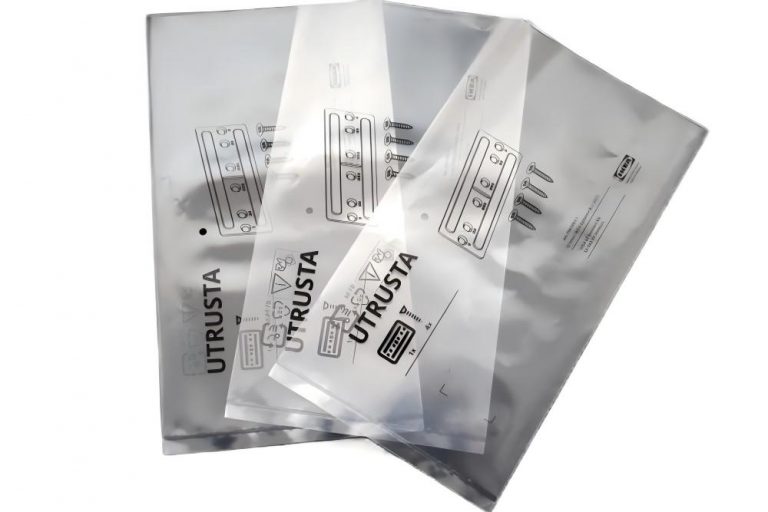
Perforated PE bags have become the standard packaging solution for auto parts export shipments. With uniform micro ventilation holes, these industrial bags balance air circulation and external barrier protection. This article explains why ventilated perforated packaging is essential for metal auto part exports and how it solves core pain points in marine logistics.
Core Challenges of Auto Parts Sea Export Packaging
Unlike general hardware products, automotive metal parts have stricter surface quality standards. Even minor rust spots or oxidation discoloration will cause parts to be rejected and affect assembly accuracy.
Container Condensation & Temperature Difference Sweating
During long sea voyages, containers experience drastic day and night temperature changes. When warm moist air is sealed inside ordinary PE bags, water vapor condenses into tiny water droplets on cold metal surfaces. This “container rain” phenomenon is the primary cause of rust on exported auto stamped parts.
Closed Packaging Humidity Accumulation
Fully sealed non-ventilated bags lock residual moisture generated during workshop packaging. With no air circulation, humidity continuously accumulates inside the package. After 20–40 days of overseas shipping, ferrous metal auto parts are highly susceptible to oxidation and corrosion.
Dust and Contamination Risks
While solving condensation issues, export packaging must also block external container dust, salt spray and floating impurities. Simple open packaging avoids sweating but fails to protect parts from surface contamination.
How Perforated PE Bags Solve Export Packaging Pain Points
Perforated PE bags adopt precision micro perforation technology, creating a scientific air exchange system that traditional sealed bags cannot achieve. It fundamentally solves the rust problem of metal auto parts in long-distance transportation.
Eliminate Internal Condensation and Sweating
Uniform micro holes allow continuous air convection inside and outside the bag. Temperature difference humidity will not gather on the metal surface, completely avoiding the condensation sweating phenomenon unique to closed packaging. This is the most effective physical anti-rust method for ordinary ferrous auto parts.
Maintain Effective Dust and Moisture Barrier
Different from large-hole breathable packaging used in the food industry, industrial micro perforations only realize air ventilation without allowing external dust and salt mist to penetrate in large quantities. The PE film base material still provides stable isolation protection, ensuring clean and intact surfaces of auto parts after arriving at the port.
Adapt to Long-Cycle Marine Logistics
For Southeast Asia, Europe and America cross-border shipping with long cycles, perforated packaging maintains stable internal air environment. It avoids quality deterioration caused by long-term humidity accumulation and greatly improves the pass rate of exported auto parts.
Typical Applicable Auto Metal Parts
Perforated PE bags are specially suitable for rigid metal components prone to condensation rust, covering most mainstream auto spare parts export scenarios.
Stamped Steel Structural Parts
Chassis stamping parts, iron brackets, reinforcing plates and thick metal accessories with large surface areas are extremely prone to condensation. Ventilated packaging effectively prevents surface oxidation and color difference.
Engine and Brake System Fittings
Precision castings, brake iron parts and fixed fasteners require high surface cleanliness. Perforated packaging ensures no residual moisture during transportation and maintains part precision quality.
Bulk Metal Fastener Kits
Mass-packed screws, bolt sets and iron combination fittings gather heat and moisture easily in cartons. Ventilated bags disperse internal humidity and reduce batch rust risks.
Perforated Bags vs Ordinary Sealed PE Bags for Export
Ordinary sealed PE bags are only suitable for short-term inland turnover. For sea export, their closed structure leads to inevitable humidity accumulation. Although low in cost, they bring huge hidden quality risks.
Perforated PE bags retain all advantages of industrial PE packaging including toughness, dust resistance and high transparency. The added ventilation function targets the core pain point of marine condensation, making it the most cost-effective standard packaging for auto parts export.
Frequently Asked Questions
Q1: Do perforated PE bags need to be matched with anti-rust paper for export?
A: For ordinary carbon steel parts, single perforated packaging is enough. For high-precision auto parts or ultra-long-distance shipping, matching VCI anti-rust materials can achieve dual anti-rust protection.
Q2: Will sea wind and rain penetrate the micro holes during shipment?
A: Micro perforations are designed for air convection rather than liquid penetration. With outer carton protection, they effectively resist daily humidity and sea breeze splash without water penetration.
Q3: Can perforated bags replace vacuum packaging for metal parts?
A: Yes for most conventional auto metal parts. It avoids vacuum packaging deformation problems while solving condensation rust, with lower packaging cost and higher efficiency.
Q4: Can I customize hole density according to my export destinations?
A: Absolutely. We adjust hole spacing and density according to different shipping cycles and regional humidity to match your exclusive export packaging scheme.
Conclusion
Metal auto parts export failures are mostly caused by container condensation rather than external moisture erosion. Perforated PE bags eliminate internal sweating risks through physical ventilation, while retaining dust-proof and protective performance. Compared with fully sealed ordinary bags, they greatly reduce post-shipment rust complaints and improve export product stability. If you are looking for stable and cost-effective ventilated packaging solutions for auto parts export shipment, contact Paiki for customized perforated PE bag solutions and free packaging testing samples.