Introduction
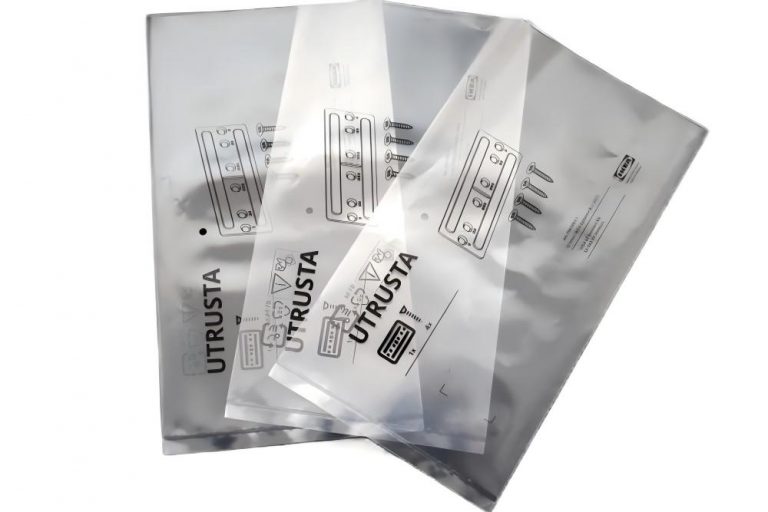
Custom printed LDPE bags are widely used for industrial hardware packaging, auto parts shipping and branded product packaging. Among all printing methods for plastic packaging, gravure printing remains the most reliable and high-precision solution for mass production. It delivers clear patterns, stable color uniformity, strong friction resistance and long-lasting printing effects, which fully meet the strict quality requirements of industrial export packaging.
However, many bulk printing defects such as blurred patterns, color deviation, ink peeling and dot missing frequently occur during LDPE bag production. Most packaging quality issues are caused by improper process control, rather than raw material problems. This article systematically explains the complete gravure printing workflow for LDPE bags, summarizes process principles, and provides targeted solutions for common printing defects to help manufacturers improve finished product qualification rates.
Overview of Gravure Printing for LDPE Industrial Bags
Gravure printing is a traditional high-volume printing process customized for flexible plastic films. Different from digital printing and flexo printing, it adopts intaglio plate engraving technology. Patterns and texts are etched into the metal roller surface, and ink is embedded into concave mesh points to transfer ultra-clear graphics onto LDPE film surfaces.
For industrial LDPE packaging bags, gravure printing features outstanding advantages including thick ink layer, strong coverage, wear resistance and stable batch consistency. It is especially suitable for multi-color logo printing, specification marking and long-term export packaging scenarios that require no fading and clear identification.
Complete Gravure Printing Workflow for LDPE Bags
Step 1: Pre-Printing Surface Corona Treatment
LDPE material has a smooth, low-surface-tension molecular structure, which results in poor ink adhesion. Without pretreatment, ink will easily peel off and scratch after printing. The corona treatment process generates high-frequency electric shock on the film surface to form tiny rough molecular gaps, effectively improving ink adsorption force and ensuring long-term non-peeling printing performance.
Step 2: Intaglio Roller Plate Making
According to customer AI or PDF vector artwork, precision engraving is performed on metal gravure rollers. Different colors correspond to independent printing rollers, and pattern layers are accurately segmented. Industrial packaging strictly controls mesh depth and dot spacing to ensure thin text clear presentation and solid color block uniform filling, avoiding blank spots and uneven coloring.
Step 3: Ink Mixing & Color Calibration
Adopt industrial low-volatility environmental ink specially formulated for LDPE materials. Professional color matching is carried out according to Pantone color codes or customer samples. Before mass production, repeated color calibration and sample printing are required to eliminate color difference, ensuring consistent color tone between batch products.
Step 4: High-Speed Gravure Transfer & Drying
During formal printing, the gravure roller absorbs ink, and the scraper cleans excess surface ink. Only the concave patterned mesh points retain ink, which is accurately transferred to the corona-treated LDPE film. Each color is equipped with an independent hot air drying channel to realize instant drying and avoid color overlapping and smudging.
Step 5: Post-Printing Inspection & Rewinding
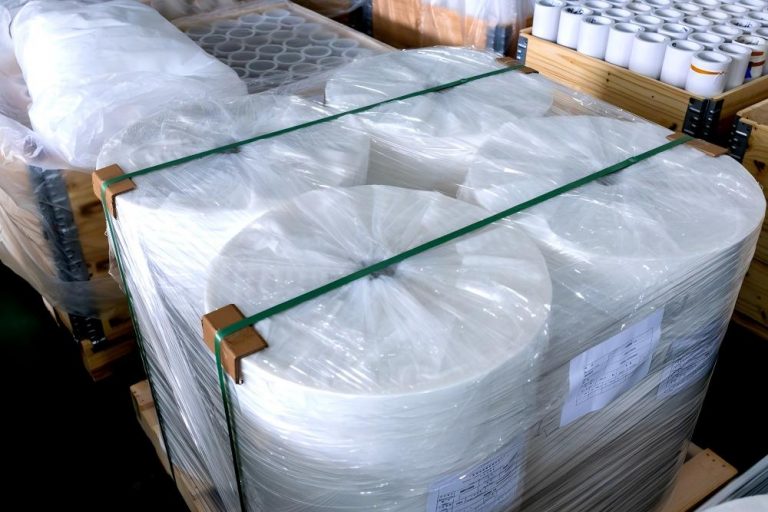
After multi-color overprinting is completed, automatic visual inspection equipment detects defective products such as missing printing, blurred dots and color deviation. Qualified printed films are evenly rewound and sent to bag-making process for edge sealing and cutting to finish finished LDPE printed bags.
Common Gravure Printing Defects & Professional Solutions
1. Ink Peeling & Scratch Falling Off
Causes: Insufficient corona treatment intensity, expired ink, or oil contamination on the LDPE film surface. This defect easily occurs after finished bag friction and affects packaging identification integrity.
Solutions: Recalibrate corona power to ensure effective surface roughness treatment; replace fresh LDPE special ink; clean the film unwinding roller to remove oil and dust pollution before printing.
2. Pattern Blurring & Dot Distortion
Causes: Excessively fast printing speed leads to incomplete ink drying; gravure roller mesh is blocked by dry ink; uneven machine tension causes film deviation.
Solutions: Appropriately reduce running speed and improve hot air drying temperature; regularly clean gravure roller mesh points; adjust tension system to keep LDPE film flat and stable during operation.
3. Obvious Batch Color Deviation
Causes: Manual color mixing error, inconsistent ink viscosity, or uneven drying temperature in different production batches.
Solutions: Adopt quantitative automatic ink mixing system; detect ink viscosity in real time during continuous production; stabilize drying oven temperature parameters to ensure consistent color presentation of each batch of printed bags.
4. White Spots & Missing Printing on Solid Color Blocks
Causes: Dust particles in the production environment, blocked individual mesh points of the gravure roller, or insufficient ink fluidity.
Solutions: Keep the printing workshop dust-free; regularly clean and maintain the engraving roller; adjust ink dilution ratio to ensure uniform fluidity and full mesh filling.
5. Color Overprint Misalignment
Causes: Mechanical positioning deviation, unstable film tension, or thermal expansion and contraction of LDPE film during drying.
Solutions: Calibrate multi-color overprint positioning accuracy; optimize tension control parameters; adopt segmented temperature drying to reduce film thermal deformation.
Key Process Standards for Industrial LDPE Printing
Different from daily consumer plastic bag printing, industrial LDPE packaging bags require stricter process standards. The ink layer must be wear-resistant enough to resist friction during container transportation and warehouse stacking. The color difference must be controlled within a tiny range to ensure unified brand image of batch export goods. In addition, all printing inks used for export packaging comply with environmental protection standards, with no peculiar smell and no residue precipitation.
Frequently Asked Questions
Q1: Why is gravure printing the best choice for industrial LDPE bags?
A: Gravure printing provides higher precision, better wear resistance and stronger color saturation than other printing processes. It is more suitable for long-term storage and cross-border shipping of industrial packaging without easy fading.
Q2: Will printed patterns fade during sea transportation?
A: Qualified gravure printing products adopt special weather-resistant ink and corona pretreatment. The ink layer is tightly attached to the LDPE film, resisting humidity, salt spray and friction, and will not fade during normal logistics cycles.
Q3: Can tiny fonts and fine lines be printed clearly on LDPE bags?
A: Yes. High-precision gravure engraving technology can restore tiny text and thin line patterns completely, meeting the fine printing requirements of product part numbers, specification parameters and brand logos.
Q4: How to judge the quality of LDPE gravure printing?
A: Qualified printing has uniform color, clear edge lines, no burrs or blurring, and no peeling after manual scratch test. Batch products have consistent color tone without obvious deviation.
Conclusion
Stable gravure printing quality for LDPE industrial bags relies on standardized process control including corona pretreatment, precise plate making, scientific color matching and stable drying parameters. Most common printing defects such as ink peeling, blurring and color deviation can be completely avoided through standardized operation and equipment maintenance. Strict process management ensures that printed LDPE bags maintain clear identification, wear resistance and beautiful appearance throughout industrial storage and export transportation. If you need high-quality customized gravure printed LDPE bags for hardware, auto parts and electronic product packaging, contact Paiki to get professional printing solutions and pre-production sample confirmation.